Suiting Up
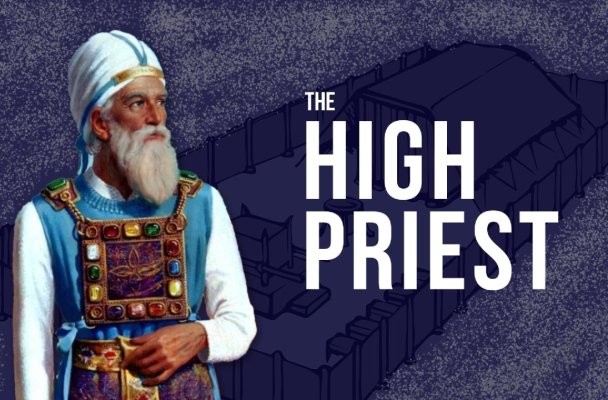
Exodus 28 includes descriptions of the intricate garments of the high priests. These descriptions piqued my interest over the years as I studied the significance of and replicated various garments and articles worn by the high priests. The garments worn in the Old Testament Sanctuary were beautifully crafted from the costliest materials. The regular priests were adorned in fine garments that denoted their elevated office, but the high priests wore even greater finery. In addition to white linen, the high priests wore a wool robe dyed blue with a rich hem of golden bells and alternating blue, purple, and scarlet yarn pomegranates. The apron worn over the robe was exquisitely embroidered, woven with threads of gold, blue, purple, scarlet, and fine twisted linen. Suspended by golden chains clasping two onyx stones high on the shoulders, it was adorned with a breastplate of the same material that showcased shimmering stones set in gold. Across the forehead, the high priests wore a turban frontlet—an ornate plate of solid gold fastened by cords of blue and engraved with a simple inscription: “Holiness to the Lord” (Exodus 28:36–43).
These fine garments were among the costliest and most beautiful of their day. Their fine quality and the exquisite skill required to craft them not only communicated the identity and profession of the wearer but also reflected the importance of the occupation. I may attend school and earn a degree, or I may train to become a professional and wear a uniform that matches my official station, but such recognition is not enough. The holy garments of the high priests teach me that my choices and actions must match the identity I display; this identity must match my heart. My character too needs to be refined, as we are to be adorned with “glory and beauty” (Exodus 28:2).
Beauty and glory are divine qualities meant to lead us to a higher existential reality. The special garments of the high priests were reserved for use inside the Sanctuary and thereby kept separate from the outside world. This tells me that we are not made for a world filled with sorrow and death, a drab world characterized by scarcity and disarray. We are made to be connected to the beauty and glory of God’s dwelling. God invited humanity closer to Himself in the Sanctuary, and the garments allowed such nearness. The symbolism of these garments included protection from death: “so that he [the high priest] does not die” (Exodus 28:35, emphasis supplied). When experiencing God’s magnified presence in the Sanctuary, the high priests’ garments protected them from the intensity of His glory. Some have suggested that God was angry with sinners and lashed out in judgment, but this idea goes against the purpose of God’s presence among the people, which was to give them life and provide rescue. The link between God’s glory and the exquisite beauty makes me conclude that God’s character is indeed beautiful. He is gloriously attractive, and the garments of the high priests were seen as beautiful gifts of God’s grace.
The finery of the garments and the glory of the Sanctuary, however, fall short of the finery and glory to come. Entering the powerful and energizing presence of God in our current state might be fatal but not because God is mean. We must modify ourselves to become fit to live so close to the majesty and beauty of God’s glory. When the sun is shining, filling this mundane world with brightness, I can feel its energizing warmth and see nature’s beautiful colors, but when I experience longer exposure to the sun when visiting tropical areas, I realize that it can be harmful. The sun is beautiful but powerful. I have learned that to be in proximity to the bright rays of the sun, I must use protection, suiting up in special clothing before entering its powerful rays. The grandeur of approaching the light and power underlying all energy is impressive indeed, offering me a glimpse of eternity. It conveys the intensity of the world that is coming and suggests that God’s presence may be to too much for us right now in our current state, as death and sin remain in the human world. Our human nature must be modified, glorified, and beautified to achieve deep connection and nearness to God’s glorious domain. We need to transform for this future so that we can abide in the purity and exquisite perfection of God’s glory (Revelation 21–22).
The lessons of the high priests’ garments lead us to a higher experience of God’s glory and beauty. The purpose and symbolism of this fine clothing obtained favor for Israel in the Sanctuary of God. I take comfort from the fact that God assures us that He accepts us and is working for our benefit by providing the life and transformation that will bring us nearer to His glory and beauty (Exodus 28:36-39). Though we find ourselves in a world far from perfect, the lessons of these garments offer a glimpse of the glory and beauty in which God intends to clothe humanity. While these fine and costly materials fall far short of the glory and beauty that is coming (Revelation 21:19), when we understand the significance of these special garments, we begin to catch sight of the grandeur that awaits us.
Craig Ashton Jr.
 Theological InTents
Leave a comment