How Would Jesus Kill an Animal?
To follow the ethics of Jesus is to live in the spirit of mercy and compassion with a view toward God’s future benevolent kingdom, when God’s ideal will be achieved on the earth.
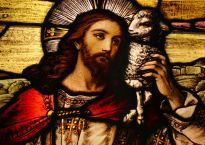
To follow the ethics of Jesus is to live in the spirit of mercy and compassion with a view toward God’s future benevolent kingdom, when God’s ideal will be achieved on the earth.

So, are we glorifying God in the ways we live and the things we eat and drink, thus obeying His mercies and decreasing suffering in our world?
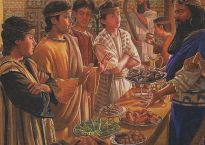
Perhaps the suggestion presented in Daniel 1:12 points us beyond fad diets to a meaningful way of eating at the “time of the end”—a dietary choice that manifests the Creator’s intentions for greater health and compassion, an eschatological diet, as it were, that is persuasive to those of other faiths. Perhaps it’s time for a new diet much like Daniel’s.

Every time I eat, I am invited to celebrate God’s good creation and redemption. My health message should be part of the gospel of how a compassionate God works to heal and restore our bodies and the Earth.

There are several reasons why I choose to skip the turkey this year and celebrate a plant-based Thanksgiving.

There is something fascinating and wonderful about rainbows. Their colors hold great beauty and promise.

As a vegetarian, what do I eat for Thanksgiving? Our family table is spread with a variety of delicious and flavorful dishes

Jesus was not a vegetarian while He was here on earth, but might we consider Him one now?

At a luncheon a number of years ago, I met a college student who was studying theology at a religious institution. Needless to say, my dietary practices became the center of our table discussion when I bypassed the animal flesh offered to guests.

Things are definitely changing in our world. Vegetarianism has not only become a socially acceptable dietary choice, but due to soaring health crises and increased attention to how animals suffer in factory farms, it’s destined to become an increasingly hot topic.
 Theological InTents