God Desires Mercy
We can be religious yet unkind, generous in almsgiving yet guilty of harming others, and devout yet unrighteous. Such cases are what God calls vain sacrifices. They are empty worship.

We can be religious yet unkind, generous in almsgiving yet guilty of harming others, and devout yet unrighteous. Such cases are what God calls vain sacrifices. They are empty worship.

The story of Jonah should help us strengthen our commitments to compassion and mercy during these challenging times.

The largeness of God’s love and mercy is so amazing to me. So, if the point is that His loving-kindness is so much greater than evil, what should our focus be?

The Searcher of hearts asks us, “Do you wish to be made well?”

God’s grace is so beautiful to me; it’s like a compassionate father running to welcome his prodigal son home and wrapping him in arms of uncondemning love, where willfulness and shame disappear.

Given the traditions of my Jewish and Hindu friends and the sensitivity of my vegan friends who demand compassion for all creatures, they would be highly offended if I consumed factory-farmed pigs and cows while advocating and otherwise adhering to Biblical principles of love, mercy, and compassion.

God’s justice is like a mighty stream. To defy it is to block God’s almighty surge.

I don’t see God arbitrarily removing His mercy and forgiveness from our world; I see Him describing probation from a different angle, using Pharaoh’s hardened heart as a metaphor for the condition of our world. We close probation on ourselves.
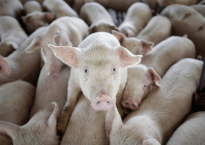
Jesus tells us that if a sheep falls into a pit, it should be rescued (Matthew 12:11). But what about a pig falling over a cliff? How can I understand a Jesus who drove 2,000 pigs to their deaths?

As I reflected on Jesus’ words to religious leaders about “mercy and not sacrifice,” it occurred to me that many Christians are preoccupied with sin and…
 Theological InTents